
How to Plan an Accessible Autumn or Winter Wedding when it is dark by four.
Planning an Autumn or Winter wedding brings unique challenges, especially when elderly guests, wheelchair users or loved ones living with dementia will be attending. Thoughtful planning can make the difference between someone staying for the whole celebration and having to leave early. A summer wedding forgives a great deal. Guests can spill outside, it's light till after nine, nobody minds waiting on the lawn and the long gap between the ceremony and the meal is simply a lovely afternoon spent in the sun.
Autumn and Winter, however, ask a little more of everyone. The same timeline, same venue, becomes a different day entirely once it is dark by four, wet underfoot and cold in corners. For the guest with mobility needs, dementia, fatigue or a long term condition, that difference could be the difference between staying for the first dance and leaving after the ceremony and missing those magical moments. I love a Winter wedding. Candlelight, open fires, everyone gathered together inside, that particular cosiness that simply cannot be created in July.
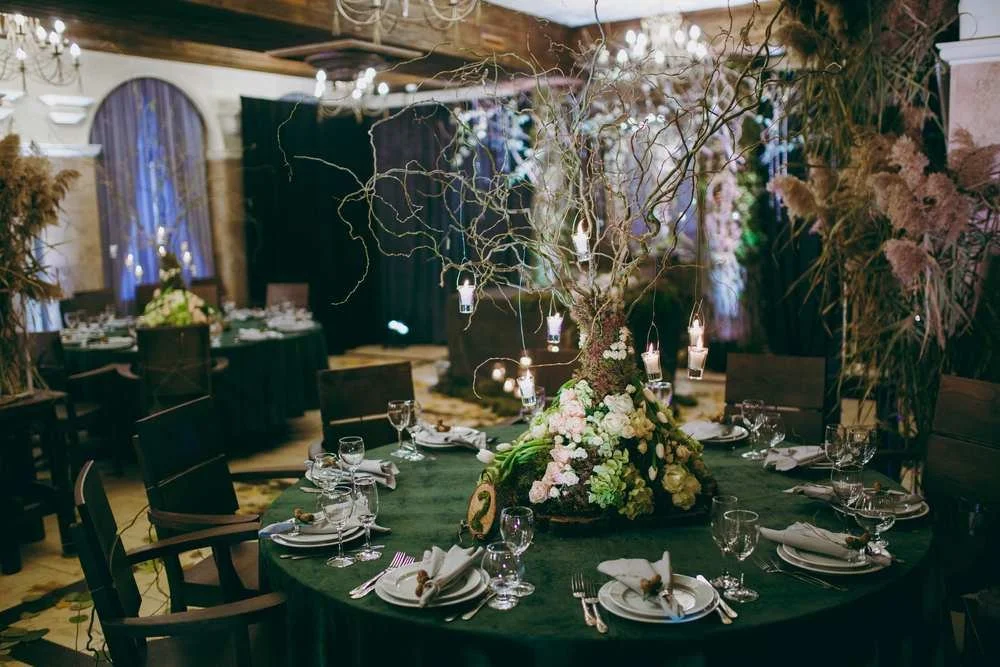
None of what follows is a reason not to have one. It is simply a list of things to consider in advance - because almost all of the points raised as potential problems can be solved by planning in October but almost impossible to solve on the day. I have put together some key things to consider when organising an accessible winter wedding.
Common Accessibility Challenges at Autumn and Winter Weddings.
The light goes. This is the big one and it affects more than the photographs. Arriving in the dark can be disorientating for anyone but for those with Alzheimer’s or dementia and possibly going through sundowning - the late afternoon restlessness, confusion and anxiety that many experience - this often lands at precisely the moment the drinks reception begins. An unfamiliar routine, venue, fading light, a room full of people chattering can lead to over stimulation: all at once.
The ground changes. Wet leaves are genuinely slippery. Gravel turns to mud. Grass becomes soft enough that wheelchair castors sink in. That beautiful lawn where the photographs happen in June, is in November a place where someone could fall. I’ve seen families spend months worrying about a guest making it through the day, only for the main issue to be that guest navigating the dark, wet and potentially dangerous walk from the carpark. For many older guests, wheelchair users or those requiring mobility aids, this short distance can be the most difficult part of the day.
Cold temperatures can have a bigger effect than people realise. Older or frail guests lose heat far faster, the cold can stiffen joints, worsen pain and drain energy. It also affects circulation and in some cases, for certain conditions exacerbate symptoms. A n older family guest who is cold for 20 minutes outside can be fatigued for the rest of the day and struggle to warm through and feel comfortable.
Everything moves indoors. This sounds simple enough but is often harder. There may be narrower routes between tables. Coats, bags and umbrellas in corridors. Everyone in one room means more noise, more noise could mean over stimulation which causes anxiety and leads to increased fatigue for anyone who struggles with it.
The journey gets harder at both ends. Dark, icy carparks. Longer travel times. Rain between the car and the entrance door. A guest arriving already cold and anxious already has less in reserve.
Winter also brings its usual round of seasonal illnesses. For a guest who is frail or immuno compromised, a crowded room may carry worries the rest of the family never see or have to think about.
Five ways to make an Autumn or Winter Wedding more accessible.
Move everything earlier. This could be the single most useful change you can make, and it costs nothing. An earlier ceremony means the photographs can be better lit with natural daylight, the drinks reception before the light goes. the wedding breakfast could be cast in the soft glow of candlelight and that cosy atmosphere, while your guest still has energy. If your venue offers a 1pm ceremony rather a 3pm one, take it. For the guest with dementia an earlier day also avoids the worst of sundowning too.
Close the gap. The stretch between ceremony and wedding breakfast is the hard part of any wedding day for the guest with care needs - and in winter there is nowhere to spend it. Shorten the time if possible. Fill it if you are unable to do this, consider somewhere warm and quiet to sit, a hot drink and something to eat. Get the photographs that involve this special guest early, possible as near the beginning of them as can be, while everyone is still fresh and light is better.
Plan the route from the car, not from the door of the venue entrance. Walk it yourself, in the dark, in the rain if you can, so that you can pick up on any areas that require planning.
Where will they park? How far is it from the car to the entrance? Is the carpark surface easy to walk? Are the surfaces flat and smooth, are there areas where rain water will puddle? Is the route lit well? Is the path to the venue entrance flat and not a falls risk? Is there anywhere to wait undercover for a wheelchair to be removed from the car boot and brought to the door where the guest will alight and transfer into it? Are there steps to negotiate? Is there a ramp or alternative accessible entrance? Again is this well lit? Who do you inform so that the door is open and the area welcoming?
Most winter difficulties happen in the first or last 4 minutes of the day and almost all can be solved with a call to the venue and a chat about them.
Dress for the building not the photographs. Layers that can move on and off easily are key at this time. A warm wrap can live on the back of the chair. A warm pretty blanket can be draped over knees to keep out draughts. Sensible shoes that won’t slip and also keep feet warm and dry will be more beneficial than pretty sandals. It may be useful to have a spare set of everything just in case it is needed. Travelling home in wet clothes is uncomfortable and for the elderly can be genuinely risky.
Agree the priorities and let the rest be a bonus. Decide as a family in advance what matters the most to you all that your special guest needs to be included and part of. For most families it is the ceremony and the photographs, the wedding breakfast is a bonus and being there for the first dance is the cherry on the top. Make the most of the main priorities and capture these magical moments first. Discuss it with the venue, the photographers, then no one will be disapointed if your guest feels they need to leave before 8pm - because going home at 8 was always a great outcome. In winter, a shorter day well spent beats a long day endured!
How wedding venues can thoughtfully support their elderly and disabled guests.
Most of this costs very little, and the venues that do it are the ones families recommend to each other. Word of mouth remains the gold standard when it comes to building trust and peace of mind.
Light the route in. From the accessible parking bay to the door, properly not decoratively. Festoon lighting looks beautiful , but it rarely provides the practical lighting guests need when its dark.
Grit and clear early. Paths, steps, ramps and the disabled bay itself. A ramp with wet leaves on could be more dangerous than steps.
Have a drop off point that works. Undercover if possible, close to the access, with room for the wheelchair to be brought beside the car with the car door open so that the guest can alight and tansfer easliy.
Mind the thresholds. Wet floors at entrances are where falls happen. Matting that is flat, secured and smooth as well as wide enough for a wheelchair is important, that can be changed during the day so it does not remain sodden.
Think about indoor routes. With everyone inside, there may be less space. Check that there is enough space in between the tables for ease of navigation once everyone has sat down for the navigation of a guest using a mobility aid or a wheelchair user. Ensure there is a designated home for outerwear which is not cluttering up the room or coridors.
Be flexible on timings. An earlier ceremony or speeches prior to the meal cost you nothing and could transform the day of a guest who tires easily. Be the venue that says yes to that.
Know your quiet space and offer it unprompted. Softly lit, quiet, calm, warm and out of the way. It can be one of the most reasuring things a worried family can hear and it is free.
The thing worth remembering.
None of this is about being careful for the sake of it. It is about making sure the guest everyone was worried about spends the day warm, comfortable and surrounded the the people they love, rather than being helped into a car at half past six because the day became too much of an ordeal. Winter weddings are wonderful. The light is soft, there a lots of flickering candles, the colours can be rich and decadent, the food hearty, the room full and no one needs to be worried checking the weather forecast. They simply require a little more thought when planning - and that careful thought and consideration is what helps the people you love stay for as long as they chose.
Are you planning an Autumn or winter wedding and wondering how it will work for someone you love and want to be part of it? Send me a message and tell me about them. I’ll tell you honestly what is possible - in my experience, the answer is more often yes than families expect. If you’d like our venue questionaire sheet to take with you to your viewing, just ask and I can email it across. No cost and no obligation.
